GarageFeature
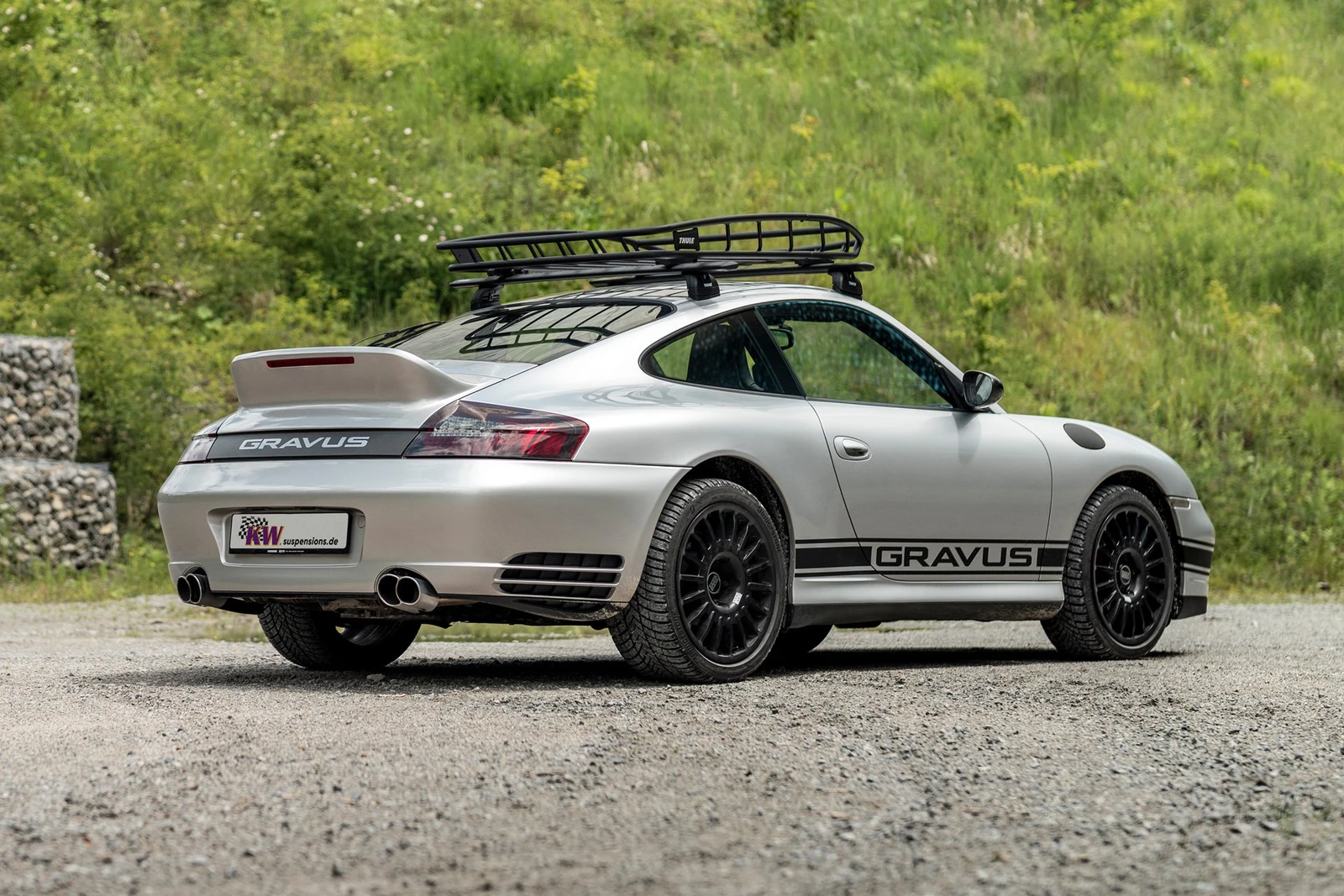
Build the Porsche You’ll Actually Use
KW’s Safari Style suspension poses a better question than whether a 911 can look like a Dakar: which roads do you actually want to drive?
The useful fantasy is not the one that survives a concours lawn. It is the car that changes the answer to a Wednesday afternoon: the road has collapsed into potholes, a friend lives at the end of three miles of washboard, the good route on a map is a thin grey line and the weather does not feel like an invitation to stay home.
That is why the recent appearance of KW’s V3 Safari Style range matters more than its marketing category suggests. It does not turn a 911 into a trophy-truck replica, and it should not be sold as a budget facsimile of Porsche’s factory 911 Dakar. It makes a smaller, more intelligent proposition: a carefully limited increase in ride height, on a platform whose original appeal was always its willingness to make distance feel shorter.
The limited part is the point. KW describes the Safari Style system as a model-specific, height-adjustable coilover arrangement with up to roughly 30 mm of lift, and its V3 product material identifies independently adjustable low-speed compression and rebound. The US listing checked on 25 September 2026 for part number 3520J71015 shows a $5,429 price, 12 clicks of low-speed compression adjustment and 16 clicks of low-speed rebound adjustment. That is hardware with a real vocabulary, not merely a spacer kit and an Instagram caption.
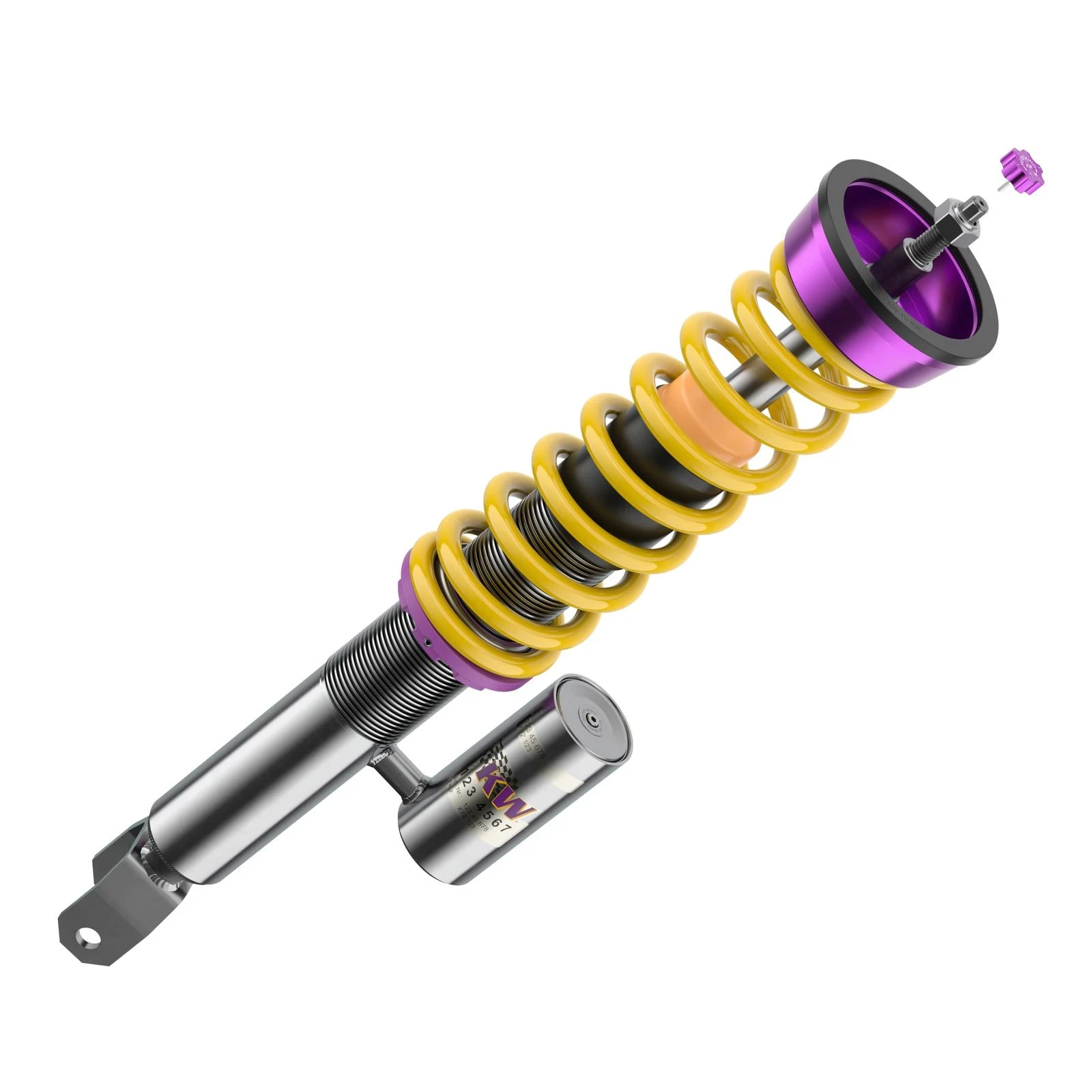
Single coilover detail from KW’s V3 Safari Kit product gallery. The image establishes neither vehicle fitment nor a finished setup. KW Suspensions.
But “safari” is a word that can make a person stop thinking. A taller car has not acquired a different chassis. It has moved its operating window. The first question is not how dramatic the wheel arch looks. It is what happens to the suspension’s available travel, bump-steer curve, camber behavior and tire clearance at the selected height. The next is whether the result can be aligned properly in the configuration in which it will actually be driven. If a conversion cannot answer those questions, its rally lamps are just costume jewelry.
The Porsche version of this idea is appealing precisely because it need not be extreme. A moderate lift can give the front spoiler a little more daylight over damaged pavement and let the driver think about a slightly more forgiving tire sidewall. Those are quality-of-life gains, not evidence that the car is ready for competition stages, deep ruts or rock crawling. KW’s own general description points to everyday and light off-road use; The Drive likewise frames the new hardware around gravel roads and potholes, not racing or crawling. That is the honest brief. A 911 with more compliance and a little more margin is not a failed Dakar. It may be a better 911 for the roads an owner genuinely has.
Tires are where this story either becomes serious or ends. A little more sidewall can protect a wheel and soften a sharp impact, but diameter, width, construction and clearance still need to work through steering lock and suspension travel. Raising the car also changes suspension-arm angles; a static alignment sheet is not a verdict on its behavior in motion. The relevant workshop conversation is therefore about the particular chassis, wheel, tire and height, not about reproducing a photograph. No responsible universal tire size or geometry prescription lives inside the word “safari.”
There is a useful ethic in keeping the work reversible. Store the original dampers, springs, mounts and fasteners with labels; photograph the car’s baseline condition and alignment; keep part numbers, height settings and a record of every non-standard component. This is not conservatism for its own sake. It preserves choices. The next owner may want the car returned to its earlier specification; the present owner may decide that an extra few millimetres of height cost more precision than the roads justify. A build that can be reconsidered is more mature than one that declares itself final on day one.
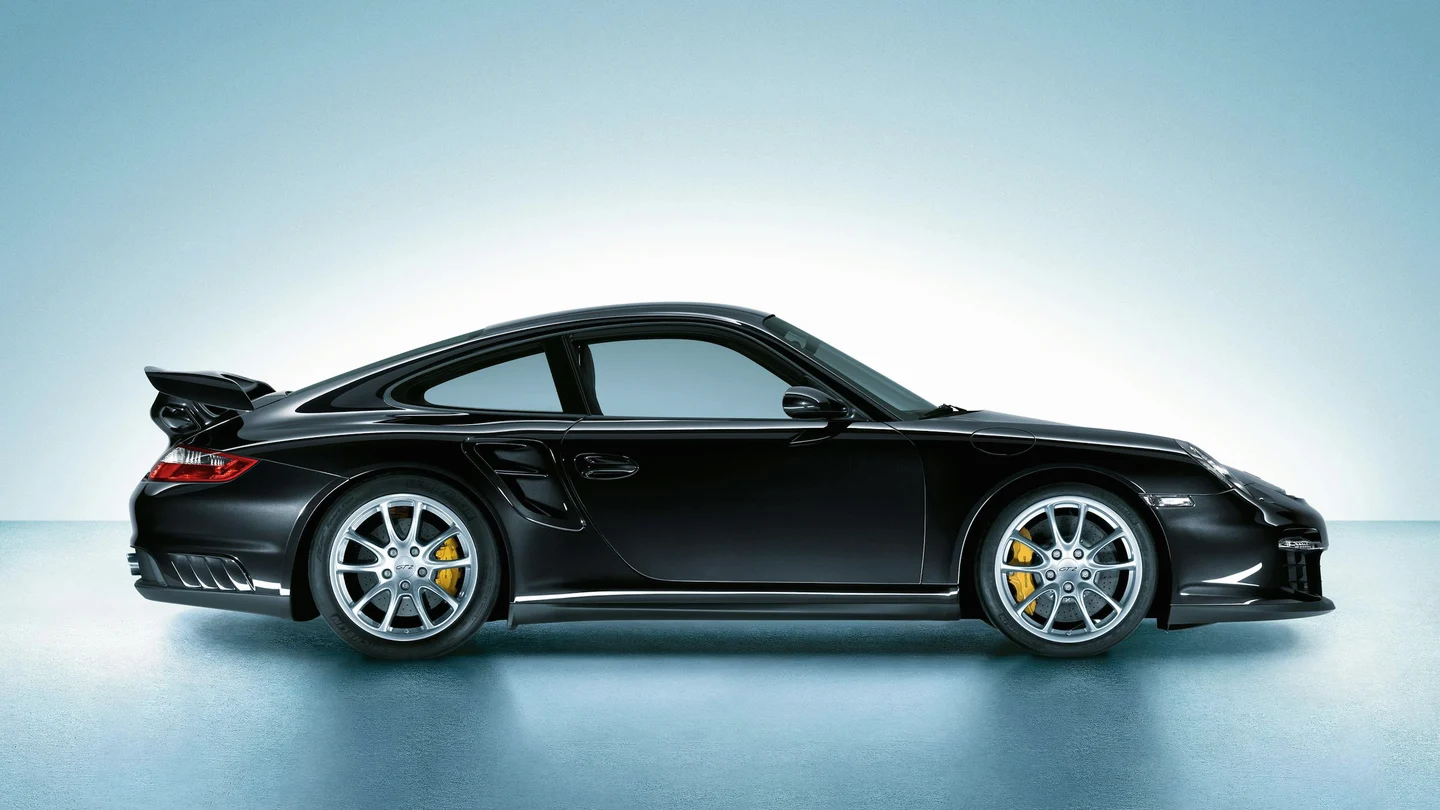
That ethic is especially attractive on the 996 and 997 generation of 911s, which have spent long enough being treated as entry tickets or raw material. The more interesting reading is that they are already complete cars. The Porsche 997 GT2 remains compelling because a specific configuration can concentrate an entire engineering argument; the Carrera S is a reminder that buying into a 911 is never only about its headline figure. A raised road car asks a parallel question: what if the most valuable modification is the one that gives the existing car a wider, less anxious life?
One last qualification: KW’s public page for 3520J71015 does not show a plain model/year/PASM table. The Drive reports broader 996 and 997 Safari Style applications, while a secondary catalogue associates this SKU with certain non-PASM 997 Carrera/Carrera S applications. Those are not interchangeable. Confirm the VIN, damper option and current instructions with KW or an authorised installer; do not order by headline or photograph.
The old image of a special Porsche was a car one saved for the exact right morning. The better image is a car made ready for the ordinary roads between the right mornings: composed, documented, capable of being put back, and never asked to pretend it is something else.
Sources
Go deeper
GarageFeature
The Particular One
Exact specification matters, even when a car looks like a broad category.
Read the feature
IdeasNote
The Price of Participation
What it costs to get the 911 experience you actually want.
Read the note
IdeasFeature
More Sky, Not More Power
A different way to make a sports car more enjoyable without chasing output.
Read the feature