IdeasFeature
Bentley Already Had the Answer
The Torcal’s curved screen makes the old rotating display look better than ever. Bentley had already worked out how to let technology recede.
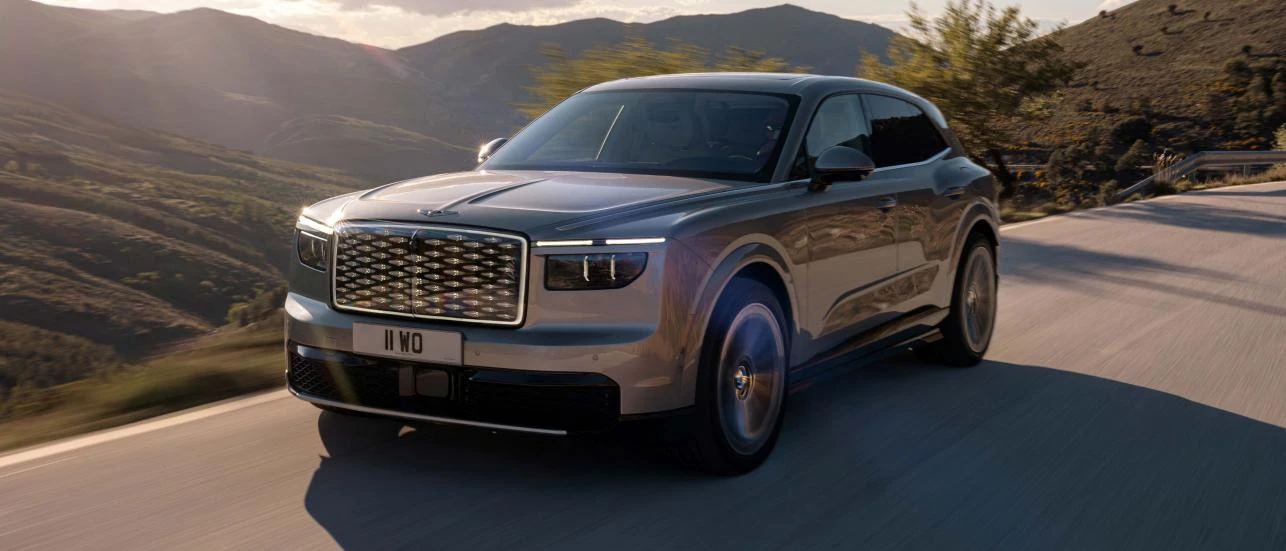
Bentley unveiled its first production electric car, the Torcal, on 23 September. It should have opened an interesting argument about what electric propulsion can do for a Bentley. Instead, look at the screen.
I remember being at Bentley’s Hollywood reveal party for the new Continental GT—around 2018, as I recall. I have touched that car, spent time with it and driven the Continental. To me, it was the pinnacle. The affection behind this argument is not something I acquired by scrolling through a press gallery.
That makes the Torcal harder to look at, not easier. The curved screen alone is enough to make me walk away.
Bentley had already built a mechanism that could make the screen go away. Now it wants us to admire the curve. It is a miserable centerpiece for a car that ought to offer something more particular than the Group’s latest digital furniture.
The curved screen is the problem. Not because glass cannot bend attractively, or because a navigation system is an affront to civilisation. It is the presumption that a conspicuous new display is, by itself, a compelling expression of luxury. It occupies the place where the cabin ought to explain why you chose this particular car. What it explains first is that somebody has another screen to show you.
01A screen is a tool. It need not be the room.
Bentley’s own Torcal material gives the vertically curved OLED touchscreen pride of place in the fascia. There are still veneers and physical controls here; pretending everything has become a featureless slab would make the criticism easier and less honest. The question is hierarchy. What commands the eye, and what has been made to work around it?
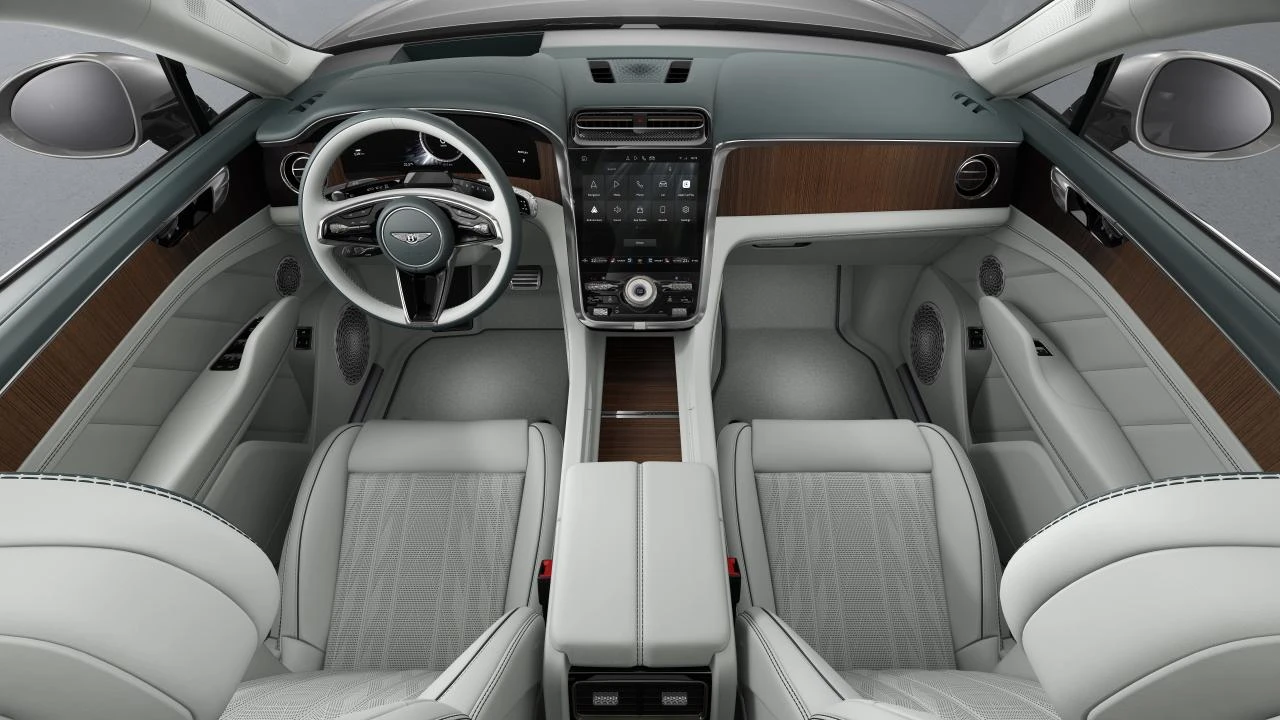
Torcal cabin, Bentley Motors. Wood and physical switchgear have not vanished. The objection is to the screen’s role in the composition, not a claim that the cabin contains nothing else.
Put it beside the Cayenne Electric’s cabin. Porsche describes its own curved OLED centerpiece as the Flow Display. To these eyes, the Bentley looks too much like a Cayenne dressed for a more expensive dinner. That is a design judgment, not a claim that the cars are identical: The Drive reports a shared electric drivetrain with the Cayenne Electric, but these photographs do not establish component interchangeability.
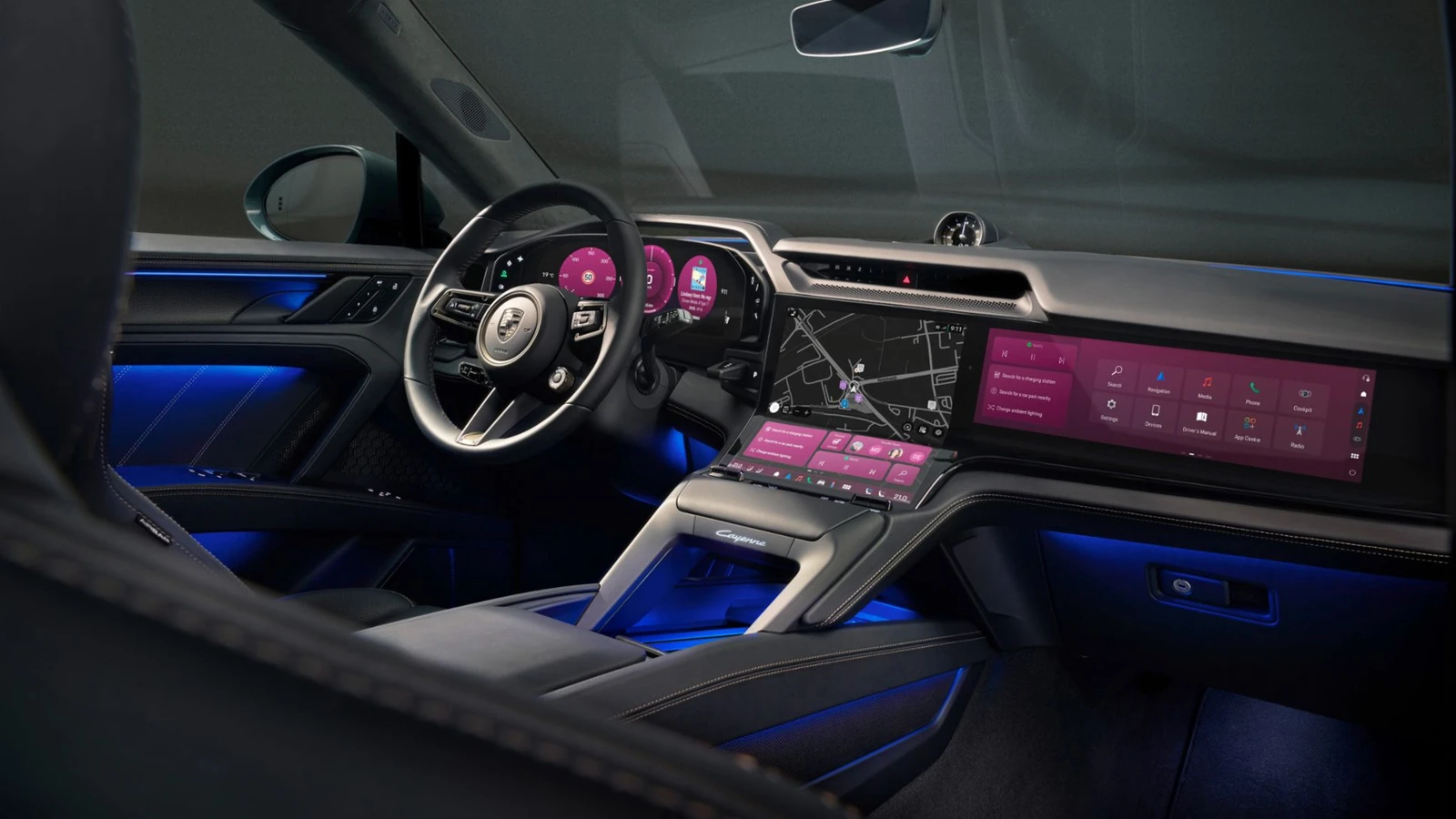
Cayenne Electric publicity image: Porsche AG. Compare the treatment of the central display, not the lighting or upholstery specification of these differently staged images.
But a buyer does not encounter a platform-sharing spreadsheet every time the door opens. The buyer encounters a cabin. Shared engineering is easiest to forgive when the object around you has an unmistakable point of view. It becomes much harder to ignore when the most conspicuous device looks like the family resemblance the more expensive badge was supposed to transcend.
The old badge-engineering accusation used to begin outside, at the grille. Here it begins where you are expected to spend your time.
02Three faces. One excellent idea.
The rotating display in the Continental GT and Flying Spur offered a different relationship with technology: a touchscreen when useful, three analogue instruments when wanted, and a face of veneer when the owner preferred the cabin to be a cabin.
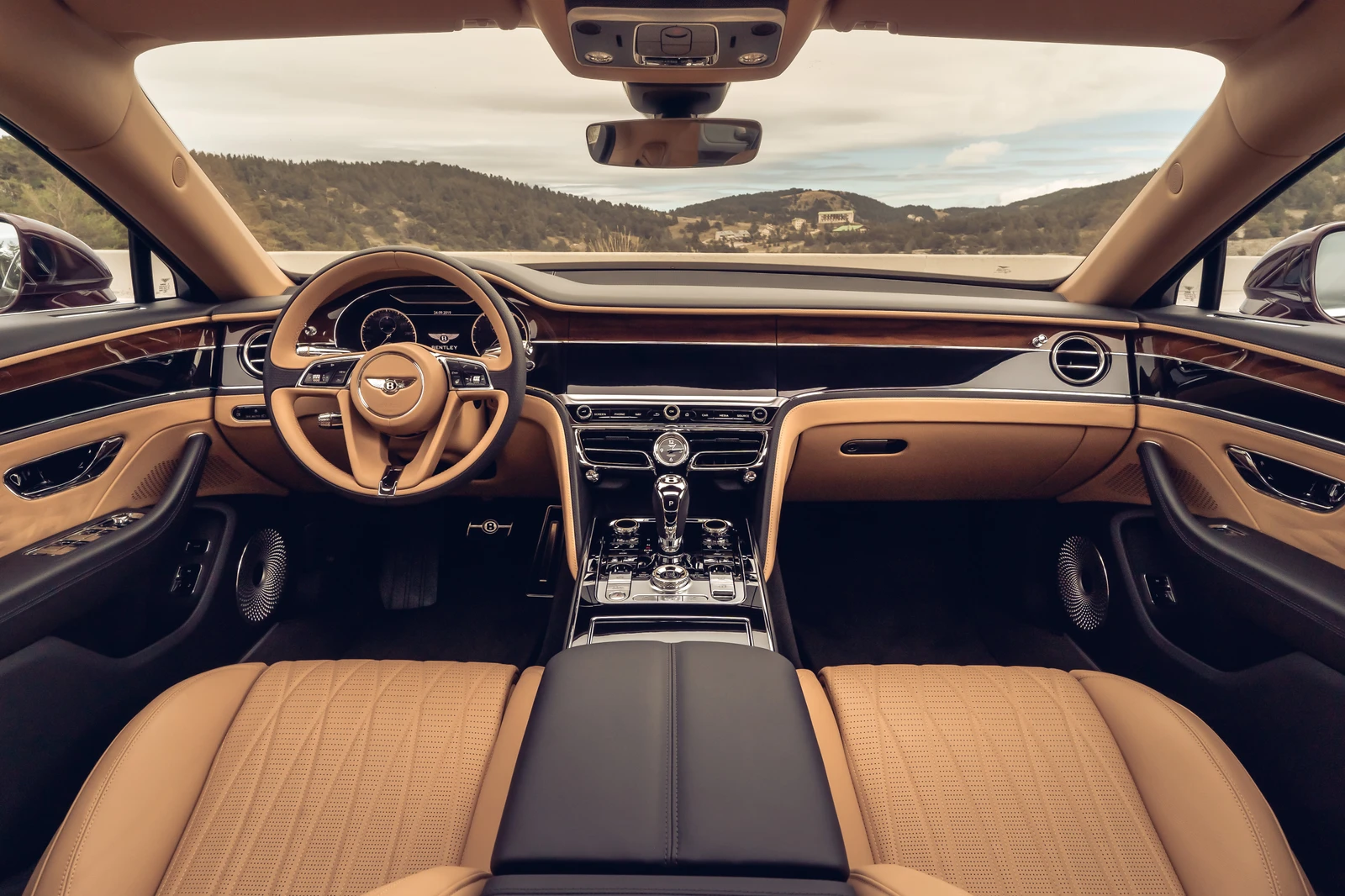
Flying Spur, veneer face presented. Bentley Motors, from its June 2020 rotating-display media set. This is a period comparison, not a Torcal feature.
That is not hostility to technology. It is an unusually satisfying use of it. The mechanism exists because the owner might want to look at something other than the mechanism’s most modern component.
There is confidence in giving someone that choice. The screen is useful without being permanently entitled to the best seat in the room. The wood is allowed to be more than a narrow border around a black rectangle. A beautifully finished surface does not need to light up to justify itself.
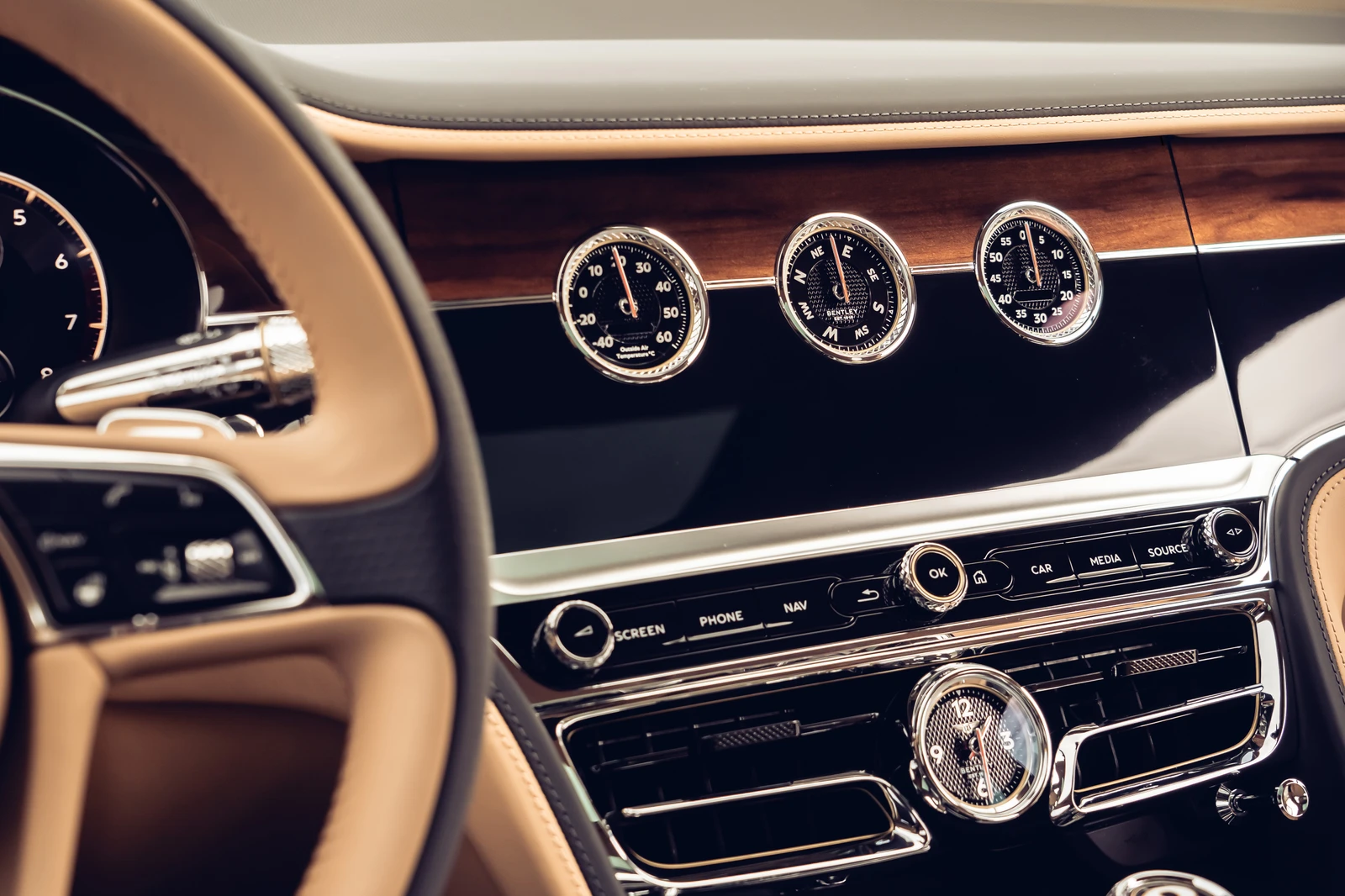
The instrument face: outside temperature, compass and chronometer. Bentley Motors. The ordinary controls below remain visible in the source photograph.
The gauges need not be the most efficient way to acquire those three pieces of information. Their appeal is also in their physical presence: depth, edges, reflections, the different pace at which you look at an object rather than a menu. Luxury can accommodate a small amount of delightful redundancy. It need not organise every available surface around maximum information density.
The screen face completes the point. This was never a demand that the driver abandon navigation or a phone. Modern functions were included. They simply did not get to dictate every mood of the interior.
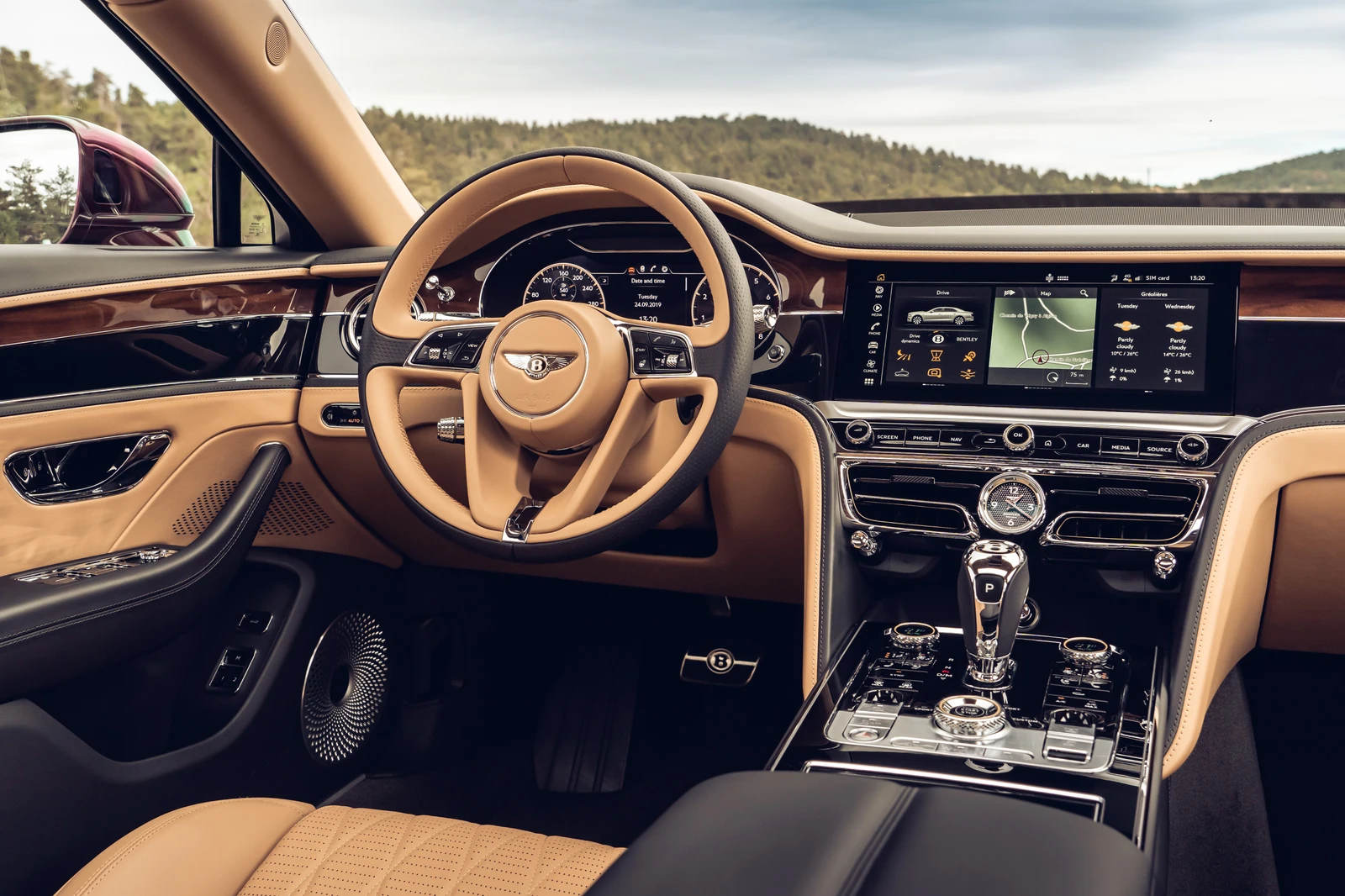
The same family of rotating display in touchscreen position. Bentley Motors. The argument is for choice, not the removal of useful technology.
03Look at what it took to make that possible
Bentley’s 2020 engineering account describes 153 components, 40 moving parts and two motors, with face alignment controlled to a stated ±0.3 mm tolerance. Those are manufacturer figures, not measurements taken in our workshop.
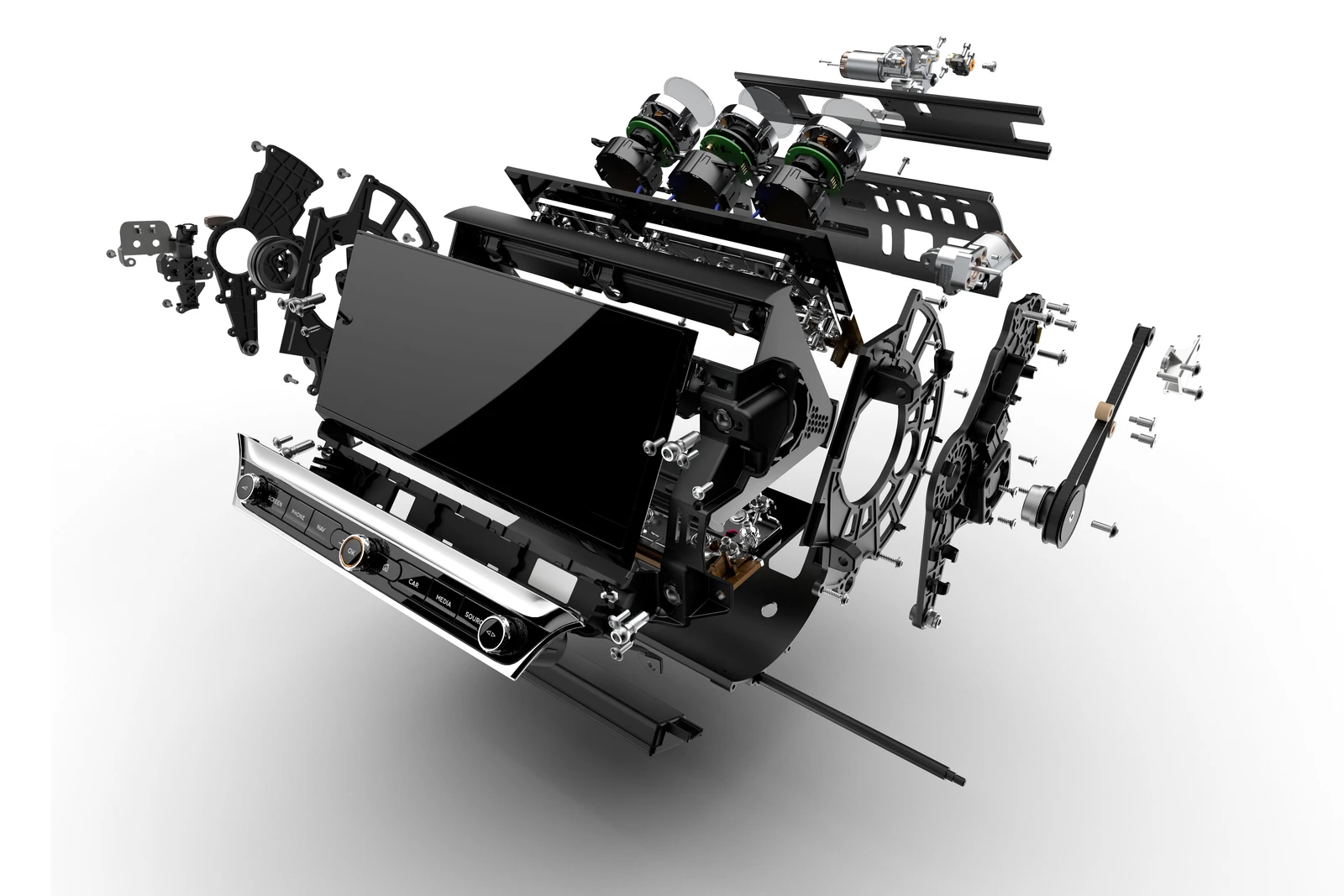
Bentley Motors’ exploded engineering rendering of the rotating-display assembly. This is manufacturer artwork, not a photograph or a Studio Chicane-generated technical diagram.
The exploded view is the most persuasive picture in this story. It shows the amount of apparatus hidden behind that apparently calm patch of dashboard. There is something wonderfully contrary about committing so much effort to allowing an electronic device to stop being the main attraction.
Of course it introduces moving parts. Of course a long-term owner should ask about repair and support. An admiration for the idea is not a reliability study. A mechanism can be beautiful and still need a serious parts policy. That is the question behind The Parts Promise, and it belongs in the conversation here too.
But complexity is not disqualified merely because its purpose includes pleasure. We tolerate elaborate equipment to make cars accelerate harder, corner flatter or put on a welcome light show. A mechanism that changes the atmosphere of a cabin deserves at least the same consideration.
04It still has to feel special
Electric cars do not feel special to me. I know that is a judgment about what I want from a car, not a measurement that settles the question for everybody else. I am not asking a reader who loves theirs to pretend otherwise. But I am not going to manufacture enthusiasm because a specification sheet tells me how impressed I ought to be.
I have driven the Continental; I have not driven the Torcal. Nothing here establishes how the new car rides or responds on the road. What its cabin shows me is already enough to lose my interest. For Bentley, that should be a more troubling reaction than a complaint about a missing cylinder count.
The missed opportunity is aesthetic. An electric powertrain did not oblige Bentley to make the display the star. A new car could have taken the old rotating idea seriously without reproducing the previous dashboard bolt for bolt. Preserve the principle, improve the execution, make it feel unmistakably Bentley.
The fair question for Bentley is whether packaging, serviceability, cost or some other constraint ruled out a comparable choice. We do not have that answer, and a photograph cannot supply it. Nor can admiration for the old mechanism establish that it would fit this car. But abandoning the mechanism and abandoning its underlying idea are two different decisions. An owner can ask for technology to recede without specifying how an engineer must accomplish it.
That is what makes this disappointing rather than merely unfashionable to our eyes. The company did not need to discover that owners might want relief from the screen. It had already built an ingenious answer.
In The Occasion, the attraction is a car whose individual choices add up to something you want for its own sake. That is the standard here too. Not a refusal of progress. A demand that progress result in something more particular than a familiar interface surrounded by more expensive materials.
Bentley: you had the screen, the gauges and the wood. You had the choice. Why stray from that?
Sources
Go deeper
ObjectsFeature
The Occasion
When a car’s particular choices become the reason to want it.
Read the feature
GarageFeature
The Parts Promise
The ownership question behind every delightful, complicated mechanism.
Read the feature
IdeasFeature
More Sky, Not More Power
Another new-car idea that puts atmosphere ahead of a specification-sheet contest.
Read the feature