ObjectsExplainer25 September 2026
After ‘No Longer Available’
Making an obsolete part again is not a printing trick. The hard part is proving the new one deserves to go on the car.
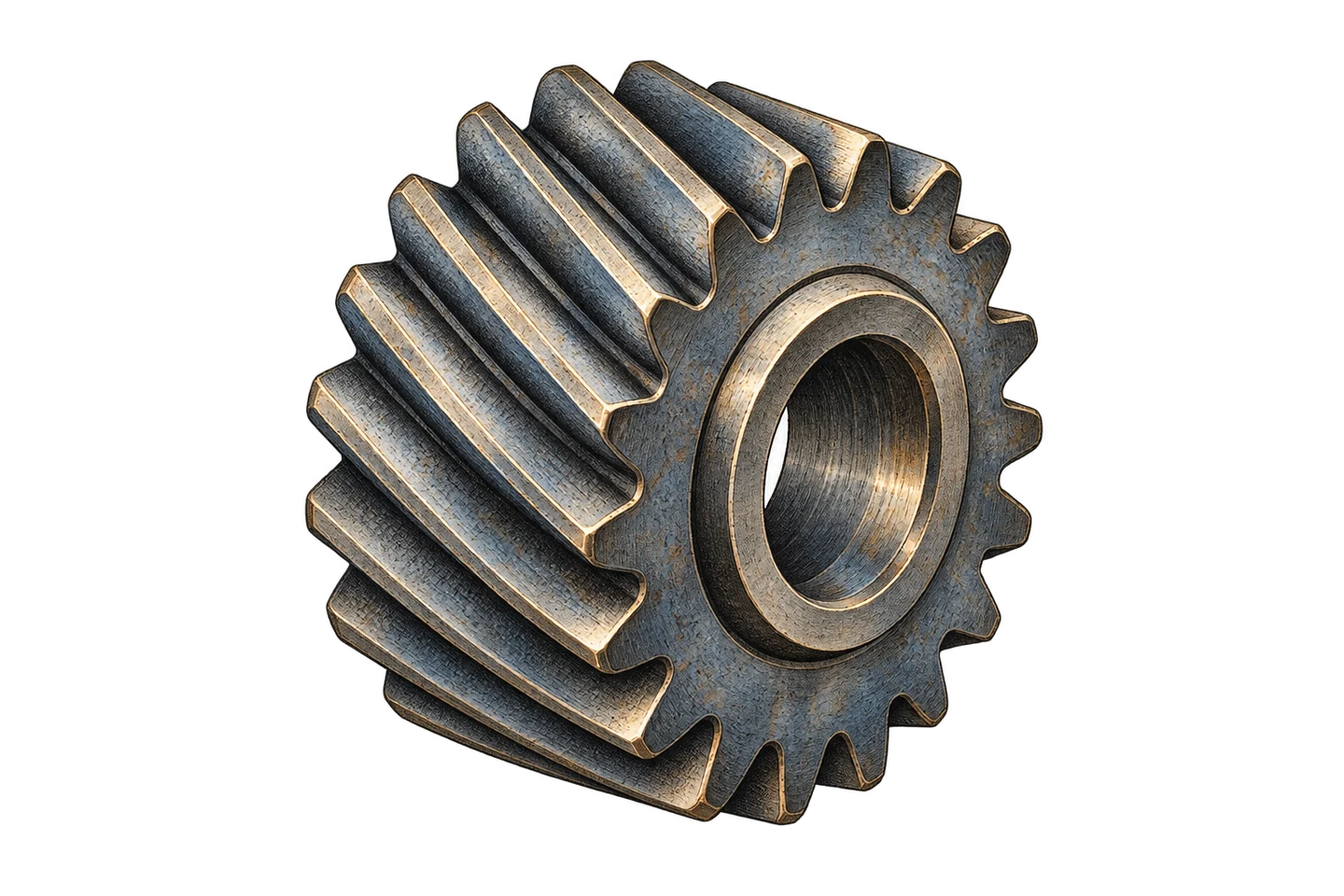
01A shape is not a specification
“No longer available” can sound final, as if a part has simply passed from the shelf into folklore. Two manufacturer accounts show a more demanding afterlife. The difficult work is not only making an object that resembles the original. It is recovering enough of its material, function, and context to decide whether it belongs on a car.
That distinction matters because a discontinued part can be easy to recognise but hard to remake. A photograph or scan records an outline. It may not reveal the material, internal condition, load path, manufacturing compromises, or changes made to surviving cars over decades. Remanufacture begins with uncertainty, not with a printer.
02Porsche’s 959 lever
Porsche Classic’s 2018 account begins with a clutch release lever for the 959. The original component was grey cast iron. Porsche describes a replacement made from tool-steel powder by selective laser melting. The material difference is the point, not an embarrassment to conceal: this is not a claim that a scanned copy has somehow become the old casting again. It is a replacement component that needs to earn its place.
The maker describes a sequence of validation: a load test of nearly three tonnes, tomographic examination for internal faults, installation in a test vehicle, and driving tests. These are Porsche’s reported tests from 2018, not independent testing by this publication and not proof of present availability. They nevertheless show the useful standard. Looking correct is only the first question. A part intended to function needs evidence about how it behaves under load and whether the manufacturing process left unacceptable faults inside a visually convincing object.
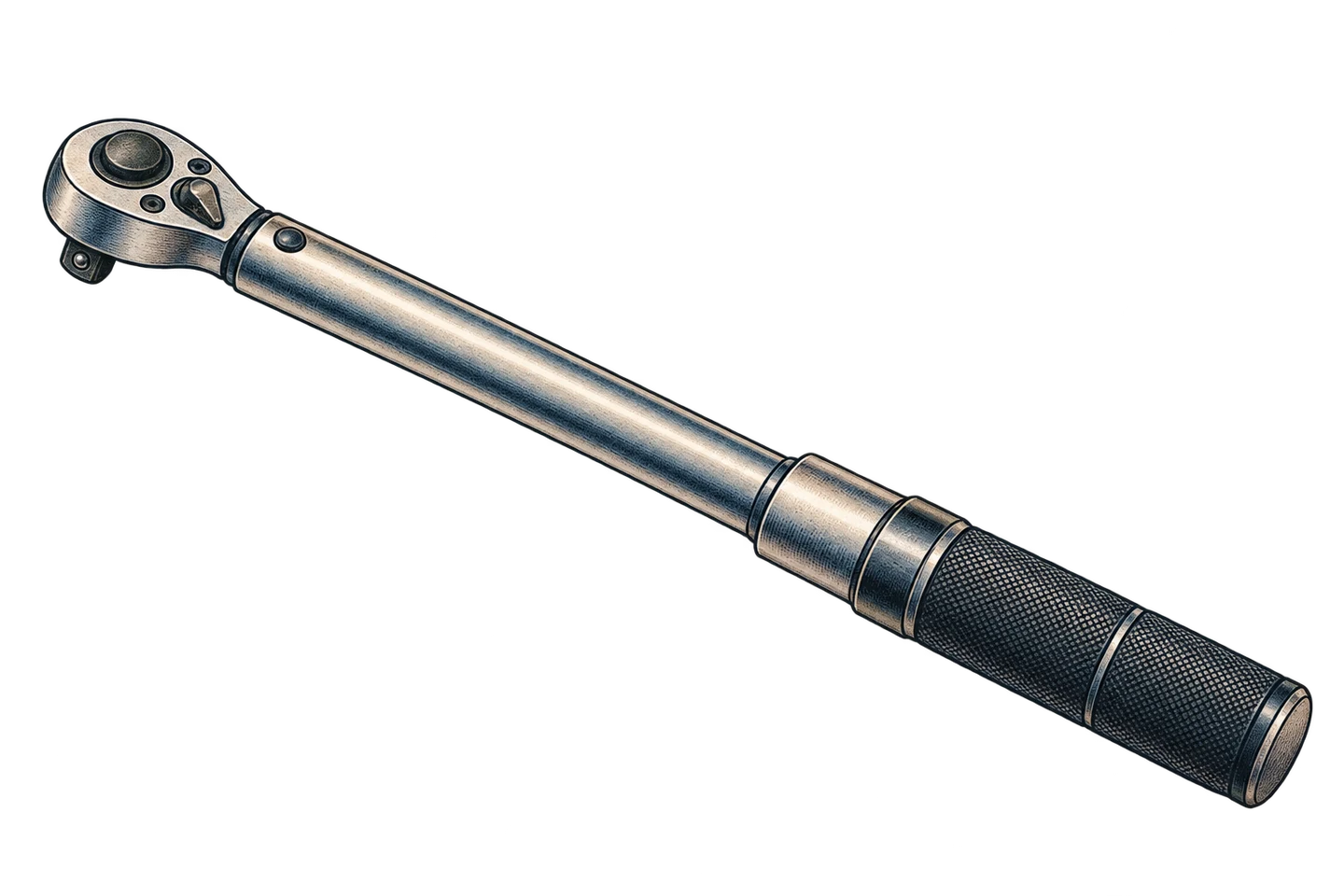
Illustration — Studio Chicane / AI-generated. A tool study, not a depiction of either manufacturer's test equipment.
03BMW’s 328 problem
BMW Classic’s 2012 account reaches the same problem from the other end. BMW commissioned ZF to make Hurth 328 gear-wheel kits after decades of alteration had made recovering original gearbox status difficult. Before a gear wheel can be remade responsibly, someone has to work out what “original” means when the surviving gearboxes have histories of use, repair, modification, and incomplete documentation.
BMW describes archive and restoration work alongside outside 328 specialists and ZF. It says tests in works cars were planned. The release does not establish completed customer deliveries, current stock, or a finished outcome. Its value is earlier in the chain. It shows why a remanufacturing project can require archivists, restorers, specialists, and a manufacturer before a machine shop is asked to cut metal.
04Material, function, responsibility
The two accounts are not interchangeable case studies. Porsche describes an additive-manufactured replacement and a reported validation sequence; BMW describes a commissioned gear-wheel project and the difficulty of recovering an original specification. Together they demonstrate four linked questions: what shape is needed, what material and process can make it, what function must it serve, and who has taken responsibility for the answer.
That is a better way to read the word “replacement.” It need not mean counterfeit, and it need not mean identical. It should mean that a stated component has been made for a stated task and assessed by a process appropriate to that task. A lever and a gear wheel are not decorative reproductions merely because they belong to historic cars.
05What the documents do not license
Neither example validates an arbitrary scanned replica. Neither promises price, lead time, delivery, or current availability. Porsche’s 2018 test report is not a general safety endorsement for other printed parts. BMW’s planned works-car tests are not evidence that every historic gearbox kit was completed and supplied. Those limits are not fussy disclaimers; they are the difference between a documented project and a shopping recommendation.
The romantic version of remanufacture celebrates the moment a new part appears. The serious version pays attention to the less photogenic work before that moment: identifying an authoritative object, deciding what has changed, choosing a material, testing the replacement, and retaining a trail of responsibility. A discontinued part is not merely a shape. It is a specification waiting to be recovered.
Sources
Go deeper

GarageFeature
The Parts Promise
The practical work behind a promise to support an unusual car for decades.
Read the feature
ObjectsExplainer
The Tire Is Part of the Restoration
Why recreating an old appearance and validating a working replacement are different tasks.
Read the explainer